
Posts Tagged ‘plumbing’

Mechanical Prefabrication that Builds Certainty

Friday, February 20th, 2026

What if critical mechanical work could begin before crews ever arrive on site? Oh wait, it can. For Egan Company, prefabrication is a key solution to bring those elements together earlier in the process, reducing risk and creating more predictable outcomes on the job.

We recently sat down with Grant Heikes, Service Mechanical Operations Manager and Mike Finnegan, Mechanical Shops Foreman, to talk about how the company approaches piping and plumbing prefabrication, what happens long before crews arrive on site, and why a controlled shop environment can make a meaningful difference on complex projects.
Starting the Work Before the Work Begins
Mechanical prefabrication is not a single step. It is the result of conversations that begin well before fabrication or installation starts.

“Conversations happen early,” Heikes said. “Someone might come to us and say, ‘We’re looking at this job, and if we get it, it’s starting in February.’ From there, we’re already talking about materials, scope, and what this job might require.”

Those early discussions often take place during estimating or preconstruction and continue once a project is awarded. At that point, engineering, virtual construction, and operations teams begin working together to determine what portions of the piping system should be fabricated in the shop versus installed on the jobsite. From the shop side, that early planning directly impacts efficiency once fabrication begins. “When we know what’s coming and what materials are involved, we can plan the work properly instead of reacting later,” Finnegan said. “That preparation makes a big difference in how smoothly things run.”

Engineering With Fabrication in Mind
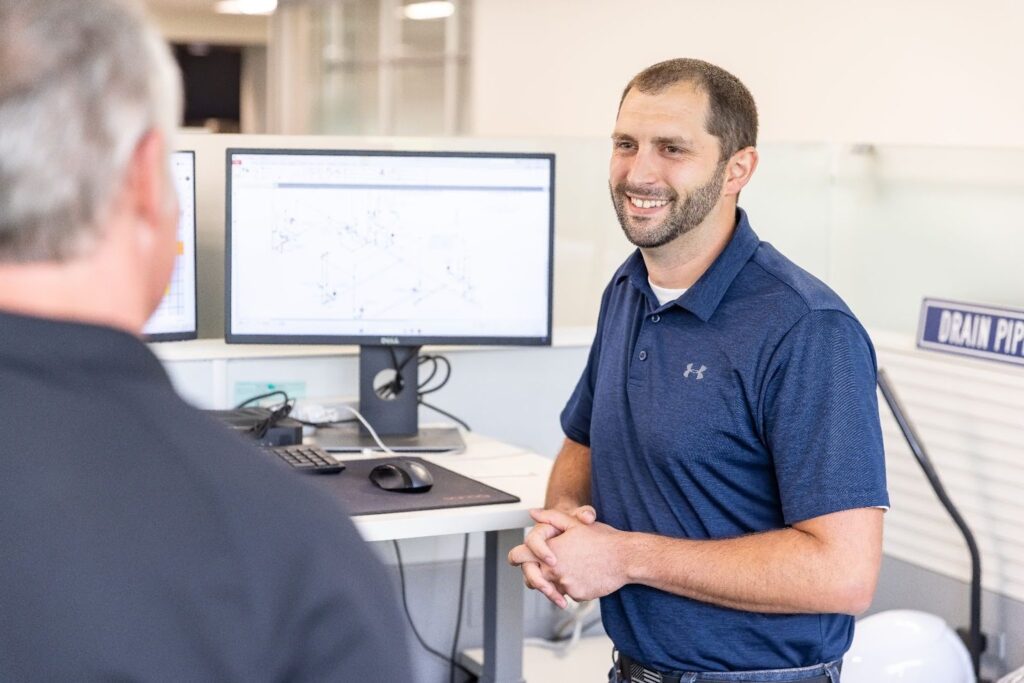
Once drawings are received, whether through a Design/Build or plan-and-spec approach, the project moves into a coordinated planning phase. Virtual construction teams model the system and develop spools for fabrication, while project and field leaders weigh in on sequencing and installation strategy. “At the kickoff meeting, there are real conversations about how much of the job will be fabricated in our shops and how much will be fabricated in the field,” Heikes said. “That’s where alignment starts.”
This coordination helps ensure fabricated components arrive on site in the right order and at the right time. Heikes compared it to assembling a kit that is designed to be installed efficiently, rather than sorting through parts after delivery. “You want things fabricated and loaded in a way that supports how the field is going to install it,” he said. “That takes communication between the shop and the field.”

Safety and Consistency in a Controlled Environment
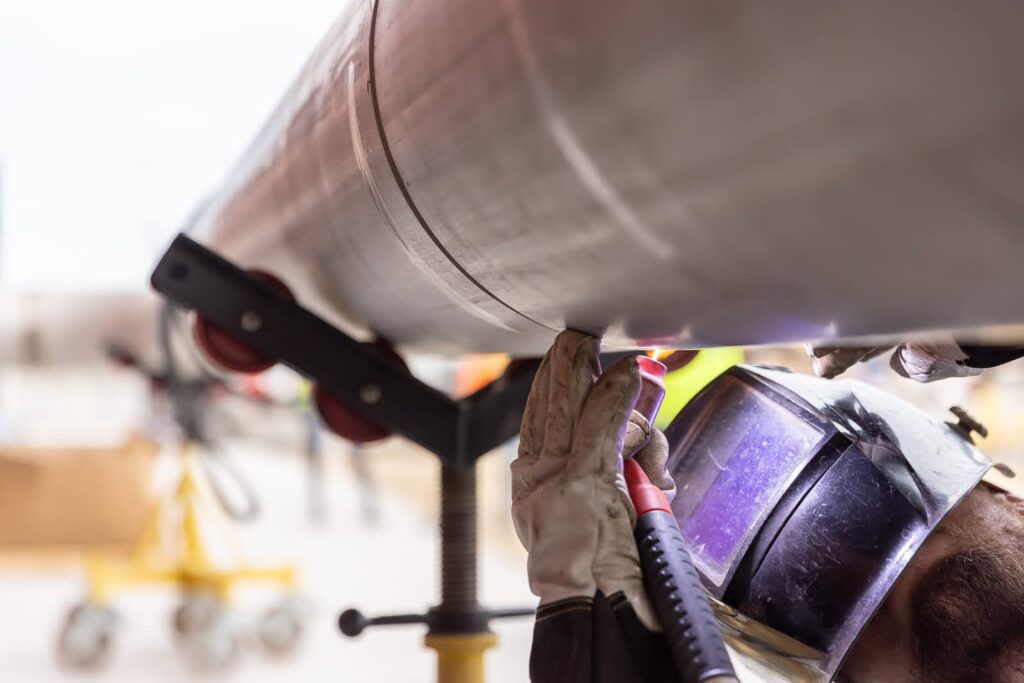
One of the biggest advantages of Egan’s piping and plumbing  prefabrication process is the ability to perform work in a controlled shop setting.  From a production standpoint, the shop environment also creates measurable efficiency gains. “The shop is indoors and climate controlled, which is an immediate advantage,” Finnegan said. “It allows one person to perform tasks that usually require two people in the field.”

Specialized equipment further supports productivity. “We have equipment that turns the pipe for us while we weld,” Finnegan explained. “That means we can complete a weld without manually stopping to reposition it. It reduces physical fatigue and allows for more consistent, daily production.” By contrast, field conditions can introduce challenges ranging from limited space to coordination with other trades. Prefab helps reduce congestion on site and allows field crews to focus on safe installation rather than assembly.

Advanced Materials and Skilled Fabrication
The mechanical shop supports a wide range of materials, including carbon steel, stainless steel, and specialty alloys that require experienced welders and precise processes. “We have the capabilities to weld just about any kind of material,” Finnegan said. “We frequently weld stainless steel, but we’ve also worked with chrome alloys and other high-nickel alloys. We have the equipment and experience to provide that for our customers.”
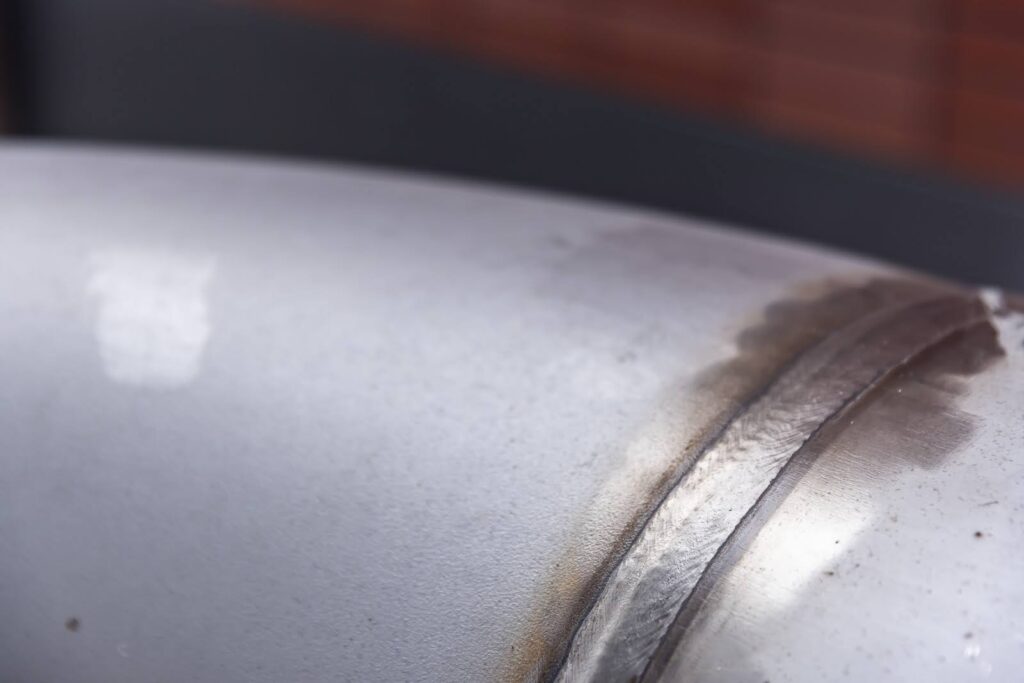
Heikes emphasized that this capability is not universal. “We have highly skilled people in the shop who can fabricate different types of metals,” he said. “Not every shop can do that or consistently meet the requirements.” Certain projects require welds that must pass X-ray inspection, adding another layer of quality control. According to Heikes, that capability is the result of both experienced tradespeople and established processes.

More to Leverage in Mechanical Work
For Egan, prefabrication is not just about efficiency. It’s about foresight, coordination, and creating better conditions for both shop and field crews. “Mechanical prefabrication is really about planning,” Heikes said. “It’s about asking early on, ‘What makes the most sense to build ahead of time, and how do we support the people installing it?’” By starting work earlier, controlling variables and aligning teams from the beginning, mechanical prefabrication becomes a strategic advantage,  one that often goes unnoticed, but makes all the difference.

The Secret to Long-Lasting Plumbing Systems

Monday, September 29th, 2025

Getting ahead of building maintenance is an important aspect of a property manager’s and building engineer’s role. It can be easy, however, to overlook the less visible aspects of a commercial property, including the plumbing and piping systems that run throughout. Losing track of the health of the plumbing in a building can be costly, but knowing what to look for and conducting regular check-ups can keep commercial plumbing systems running without cause for concern well into the future. 

Environmental Considerations

Extreme temperatures can affect the plumbing and pipes in commercial buildings. In Minnesota, this often means the risk of freezing pipes in the winter. Getting ahead of seasonal changes and taking stock of the internal systems in buildings can help prevent long-term damage or disastrous emergencies when freezing temperatures set in. Proper insulation and regular inspections are preventative measures building engineers and property managers can take to keep everything intact year-round. 

Water Quality Checks

Keeping a pulse on what is running through the pipes in a building helps maintenance experts get ahead of necessary repairs, changes, and updates. The quality of the water in the plumbing can be a big indicator of the health of the pipes. Hard water, for example, can cause extra corrosion and potential buildup. Water filters and commercial-grade softeners ease the strain on plumbing and piping systems, keeping the insides clean and cared for. 

Additionally, occupant usage can affect the water quality and plumbing health in the facility. If grease or non-biodegradable contents are being poured into drains, then the building systems will suffer. Educating occupants and encouraging proper waste disposal are key to extending the lifespan of the plumbing and piping in commercial buildings. 

Inspections and Maintenance

Establishing a regular inspection schedule for the plumbing in your facility keeps building engineers and property managers in the know of the health of the building and safeguards against emergency repairs or lasting damage. Inspections should include taking a close look at pipes, fixtures, water heaters, and other relevant equipment that may need maintenance tune-ups. These annual inspections can be conducted by building engineers, or by a trusted service partner such as Egan Company. Know what to look for and have a plan to make necessary repairs before potential issues escalate into major problems. 

Achieve Healthy Pipes

The responsibility of building maintenance does not have to fully rest upon property managers and building engineers. Let Egan Company help take care of necessary inspections, repairs, preventative maintenance, and emergency service for plumbing equipment. Our goal is to educate property managers and building engineers, supporting facility maintenance where needed and providing necessary resources to keep your commercial building systems healthy for the long run. Looking for a partner for your commercial property? Get in touch with our team and take some responsibility off your shoulders. 

What is the Purpose of an RPZ Valve?

Friday, April 19th, 2024

Sometimes, the smallest piece of equipment can make all the difference in the quality and safety of your facility. The water supply in commercial buildings is often protected by a reduced pressure zone (RPZ) valve, set up to prevent backflow of contaminated water into your clean, potable water. By installing an RPZ valve in your plumbing system, you can rest assured that you will have accessible clean water 24/7. 

ENSURING SAFE WATER SUPPLY

The primary purpose of an RPZ valve is to prevent the backflow of contaminated water into your potable water supply. Throughout plumbing and sewage systems, certain amounts of pressure are required to maintain proper flow of water. If pressure drops, non-potable water that contains various chemicals or other contaminants can potentially pass through back into clean water supplies. By creating a physical barrier between potable water and possible contaminants, you can keep your employees, guests, and your facility safe. 

IS YOUR PLUMBING SYSTEM IN COMPLIANCE?

RPZ valves and other safeguards  are becoming required more and more throughout cities, counties, and states, to help ensure the health and safety of anyone using water in your facility. Installation of RPZ valves is necessary, as is regular maintenance. 

Egan Company’s team of plumbing service professionals can visit your facility and install the right equipment and conduct regular annual maintenance on your RPZ valves. We can check that your backflow stoppage is working properly and your RPZ valves are well-maintained. In doing so, you’ll maintain compliance with the State of Minnesota, and you’ll find peace of mind that your potable water supply is safe. Remember, it is always better to schedule preventive maintenance rather than emergency service, but no matter which you need for your commercial and industrial plumbing, Egan Company can help. 

Why Does Your Facility Need Drain Cleaning?

Thursday, January 25th, 2024

From preventative maintenance to emergency service, drain and pipe cleaning can make all the difference in the efficiency and effectiveness of sewer drains and pipes. Commercial sites and industrial drains need to be cleaned and maintained regularly to prevent damage and ensure proper flow. Without drain cleaning and maintenance, you may run into clogs that can turn costly quickly. 

In addition to cost and efficiency, regular drain cleaning services are necessary for commercial properties to ensure: 

PREVENTING CLOGS AND BLOCKAGES

Commercial spaces often have many people coming in and out, and facilities including restrooms, sinks, water fountains, and other systems are used frequently every day. Over time, this increased traffic can lead to debris, dirt, food, and other substances building up in drains, which can cause clogs and blockages. Regular maintenance and drain cleaning can flush the systems and prevent these issues before they become problematic. Drain cleaning and flushes keep the pipes and systems throughout your facility clean, and can prevent odors, clogs, and blockages.

Untreated  drains are hazardous and dangerous for any commercial setting. Clogged drains can become breeding grounds for bacteria, mold, and other harmful pathogens. Hygiene is crucial for facilities, and neglecting drain cleaning can pose serious health risks to employees, customers, and visitors. By keeping drains clean and free from buildup, businesses can maintain a healthy environment and minimize the risk of illnesses and infections.

EXTENDING THE LIFESPAN OF PLUMBING SYSTEMS

Blocked drains can put excessive strain on plumbing systems, leading to premature wear and tear. Preventative maintenance can help reduce costly repairs and replacements of underground plumbing. Establishing a regular drain cleaning schedule with a local commercial plumbing contractor can help keep your drains and pipes operating in full and can limit potential damage. This proactive approach saves money in the long run and ensures uninterrupted operations.

Many commercial industries, such as restaurants and healthcare facilities, are subject to strict regulations regarding hygiene and wastewater management. Regular drain cleaning helps businesses comply with these regulations, avoiding potential fines and penalties. Plus, clogged drains can quickly become the source of unpleasant odors, which can turn off visitors. It is best for everyone to get ahead of it and keep your drains and piping clear! 

HOW WE CAN HELP

Keeping drain pipes clear requires key equipment and the right team leading the way. Egan Company’s plumbing and drain cleaning technicians utilize a variety of tools and equipment, including cameras that can help inspect hundreds of feet of piping to find any problems or blockages that may exist. The team then  uses high-pressure jetting, grease traps, augers, and pumping equipment to clear the drains and ensure everything is clear. Preventative measures can also help in the long-term durability and functionality of the piping. Egan’s plumbing and drain cleaning team have a large set of tools and techniques they can use in order to help your systems run smoothly. 

Looking for drain cleaning and commercial plumbing services in the Twin Cities? Egan Company’s 24/7 service can help with preventative maintenance and emergency repairs for your commercial and industrial drains, piping, and plumbing. Learn more about our service or give us a call today. 

We are Egan Plumbers

Tuesday, June 15th, 2021

In 1945, Egan Company was founded as a family-owned plumbing shop and these services have been a part of who we are ever since! Our plumbers are proud members of Local Unions 6, 15, and 34.  Egan plumbers work in many different facilities, including commercial and government, high-rise, industrial, manufacturing, and hospitals.

DAILY JOB OF AN EGAN PLUMBER

Plumbers install, maintain, and repair plumbing and pipe systems that carry liquids or gases. Every day looks different due to the variety of piping systems Egan installs, including water supply lines, natural gas, sanitary waste, storm drain piping, acid waste piping, RPZs, and medical gas systems. Plumbers often work with other Egan trades, which streamlines the overall project process. 

SEE IT FOR YOURSELF

In case you missed our specialty trades video series, take two minutes to learn what our plumbers can do for your facility and space! These are the faces behind our products and services. Without their commitment to safety, innovation, and exceeding customer expectations daily, we wouldn’t be able to do what we do.

We are Egan – Chris Ruhl

Wednesday, October 5th, 2016

10-2016 Chris Ruhl“It’s important to surround yourself with positive people. It makes all the difference when you have a great team you can count on and trust.”

Meet Chris Ruhl, a Plumbing Field Leader who has been with Egan for 10 years.

Fun fact about Chris: He enjoys camping with his family, especially on the North Shore.

Our company is shaped by who we are, not just what we do. Together, we are Egan.