
Turning great plans into even better projects, Egan Company’s engineering expertise goes beyond design to keep projects on track, coordinated, and performing as intended in the field. By collaborating across teams from the outset, our engineers develop solutions that enhance safety, efficiency, and consistency from fabrication through installation.
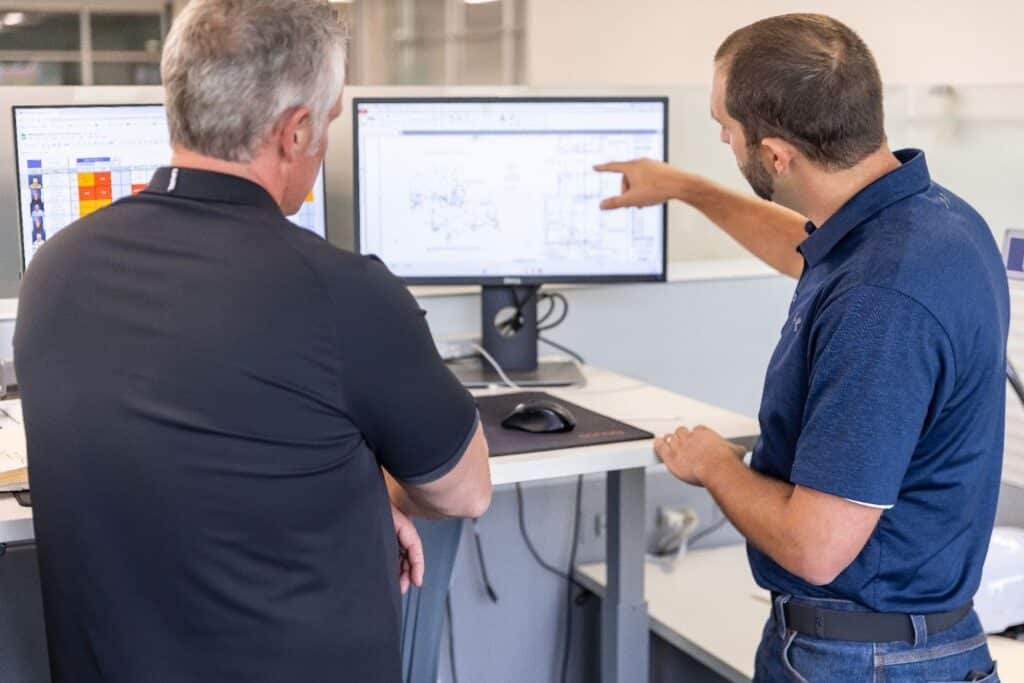
Rather than operating in silos, Egan’s engineering approach emphasizes shared standards, constructability, and coordination across trades. That alignment allows teams to deliver reliable, repeatable results, regardless of project size or complexity.
Standardization with Real-World Impact
Standardization plays a central role in how Egan engineers approach design. Codes, internal standards, and proven details create a framework that supports quality while still allowing flexibility when conditions demand it.
In some engineering disciplines, strict codes clearly define how structures must be designed and documented. “On the fire alarm side, it’s pretty clear-cut,” said Andrew Hapka, Engineering Supervisor for Technology Systems. “The standards dictate symbol sizes, formatting and what must be included. My job is to meet those requirements.” While other Egan trades operate within similar regulatory boundaries, engineers also balance performance, safety, serviceability, and cost to ensure every system is practical, efficient, and reliable for installation and long-term use. “Codes set the minimum,” said Jake Marchiafava, Mechanical Pre-Construction and Design Manager. “We try to exceed that, but cost is always a factor. The challenge is doing better work without inflating budgets.”
While there are strict codes, Egan’s internal standards also support efficiency in environments. Industrial controls teams rely on standardized CAD tools to maintain consistent panel layouts and spacing. “We’ve standardized our hardware tools in CAD,” said Dan Loney, Engineering Manager for Industrial Controls. “Spacing, parts, layouts—it all feeds into a system that helps the panel shop work faster and more consistently.”

Even in areas with fewer strict external constraints, consistency remains critical. Standardized layouts, methods, and processes help ensure that work across all trades is accurate, reliable, and repeatable. “That flexibility means what we deliver has to be spot-on,” said Andy Banse, Design and Production Supervisor for InterClad.
Early Prefab Planning
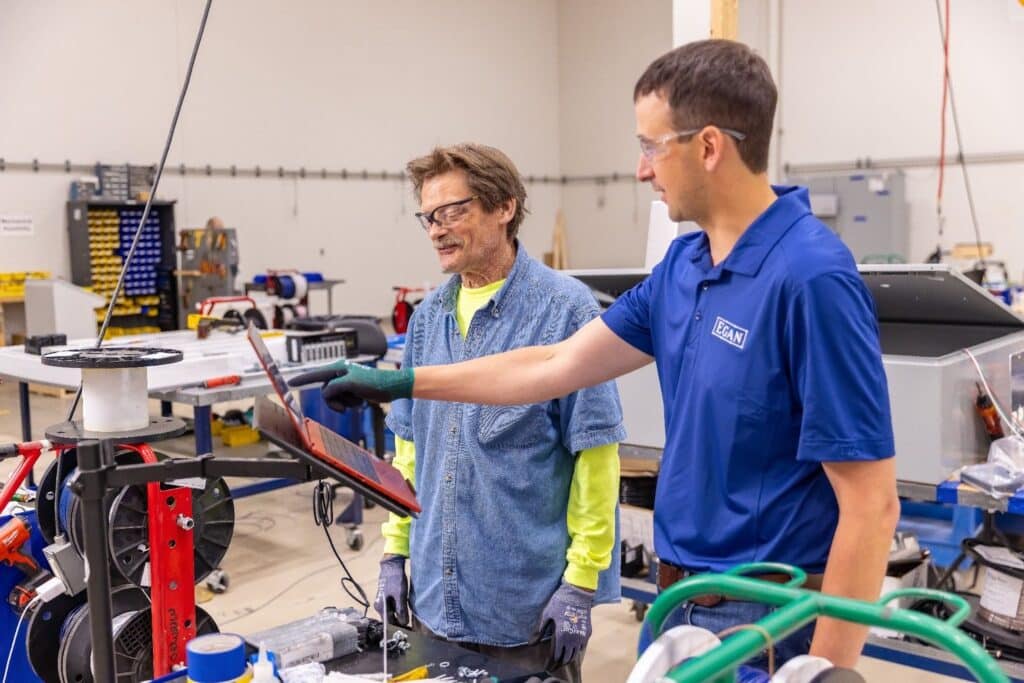
Early planning is another cornerstone of Egan’s engineering philosophy. Identifying prefabrication opportunities early allows systems to be designed with fabrication, transportation, and installation in mind.
Electrical Engineering and VDC Supervisor, Dylan McDonah said early involvement allows engineering to shape how work is built, not just how it looks on paper. “When engineering is involved early, we can design with prefab in mind from the start,” he said. “That makes a big difference once work reaches the field.” This mindset extends across all trades, where engineering teams collaborate with project managers and field leaders to ensure designs align with jobsite sequencing and logistics. The result is safer installs, fewer interruptions, and improved predictability.
Coordinating Across Trades
Coordination across trades is a cornerstone of Egan’s engineering approach. Teams rely on detailed modeling, thorough documentation, and continuous communication to ensure every system fits together as intended and performs reliably in the field. Designs are fully dimensioned using real-world components to prevent conflicts during installation. “Everything we draw—valves, fittings, ductwork—is real size,” said Marchiafava. “Many design firms don’t model that way, which leads to issues during construction.”
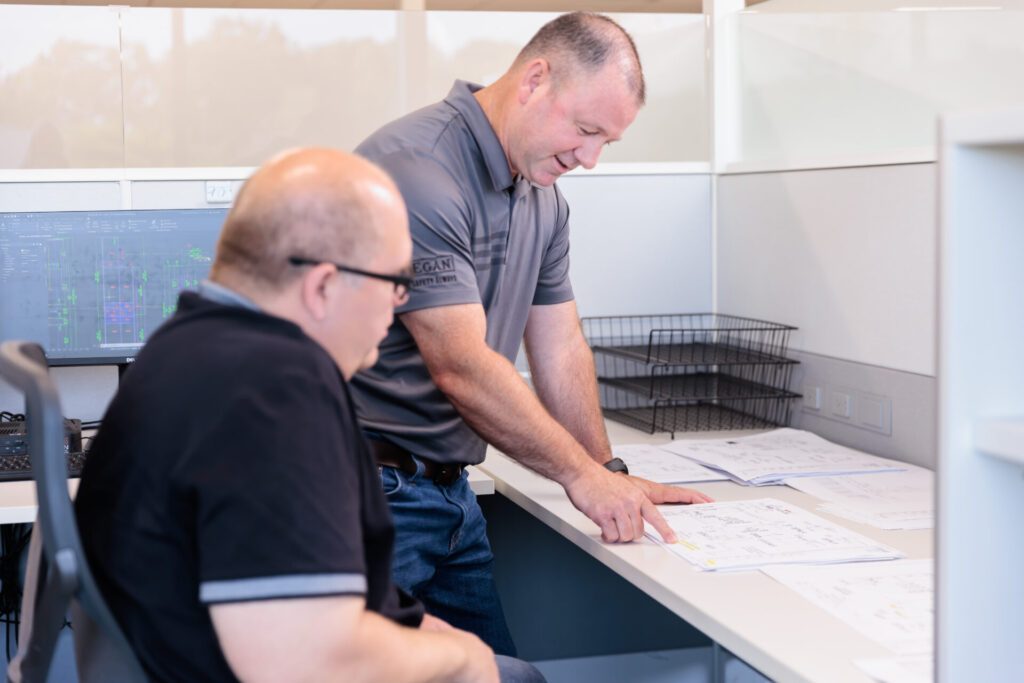
Engineers also overlay multiple sets of drawings and compare them with field conditions to ensure accuracy across all systems. “Even if we’re not in BIM together, I overlay everything so devices are placed correctly the first time,” said Hapka. Reconciling designs with the realities of construction is just as critical for building envelope systems. “Openings might say ‘30 feet,’ but concrete moves,” said Banse. “We have to show exactly how frames fit so everything installs the way it should.”
By combining these practices, Egan engineers create a seamless connection between design and installation, reducing surprises in the field and helping projects move forward smoothly.
Constructability, Safety, and Quality
At Egan, every engineering decision is guided by constructability, safety, and quality. Designs are created not just to meet specifications, but to ensure systems can be installed, maintained, and operated effectively in the field. Prefabrication adds another layer of consideration, making sure components can be handled safely and fit together as intended. Controlled shop environments allow teams to catch potential issues early and maintain consistent standards across projects.
Engineering That Moves Work Forward
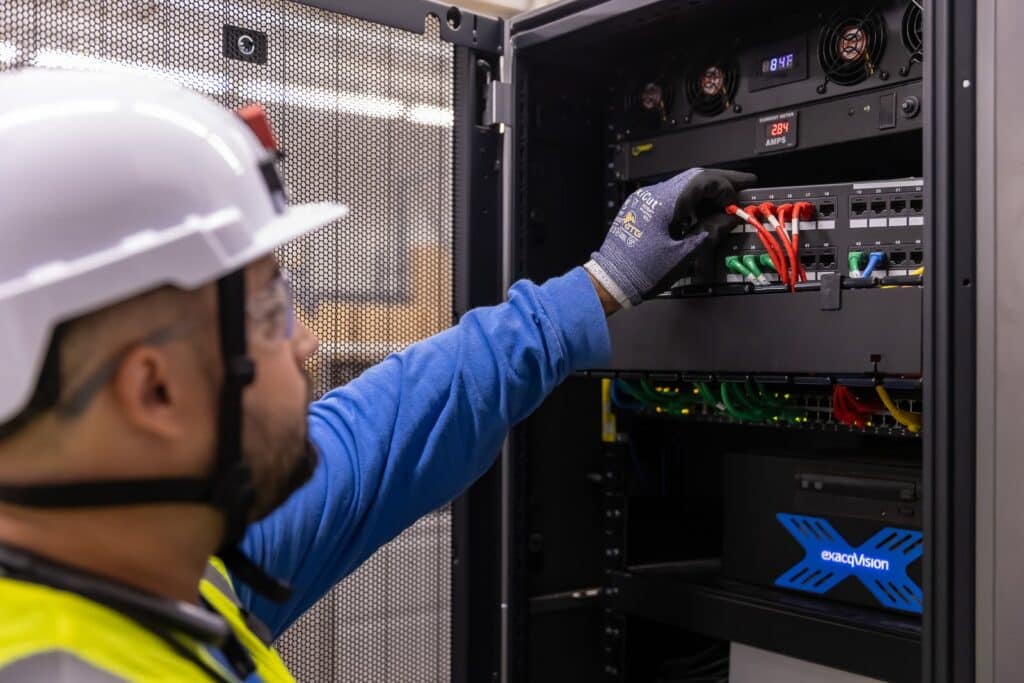
Across every trade, Egan’s engineering teams are aligned around a single goal: design systems that make construction smoother, safer, and more reliable. Through early planning, thoughtful coordination, and solutions shaped by real-world experience, engineering continues to deliver work that performs right the first time, and strengthens the value Egan brings to customers every day. Ready to leverage more with Egan? Contact us today.
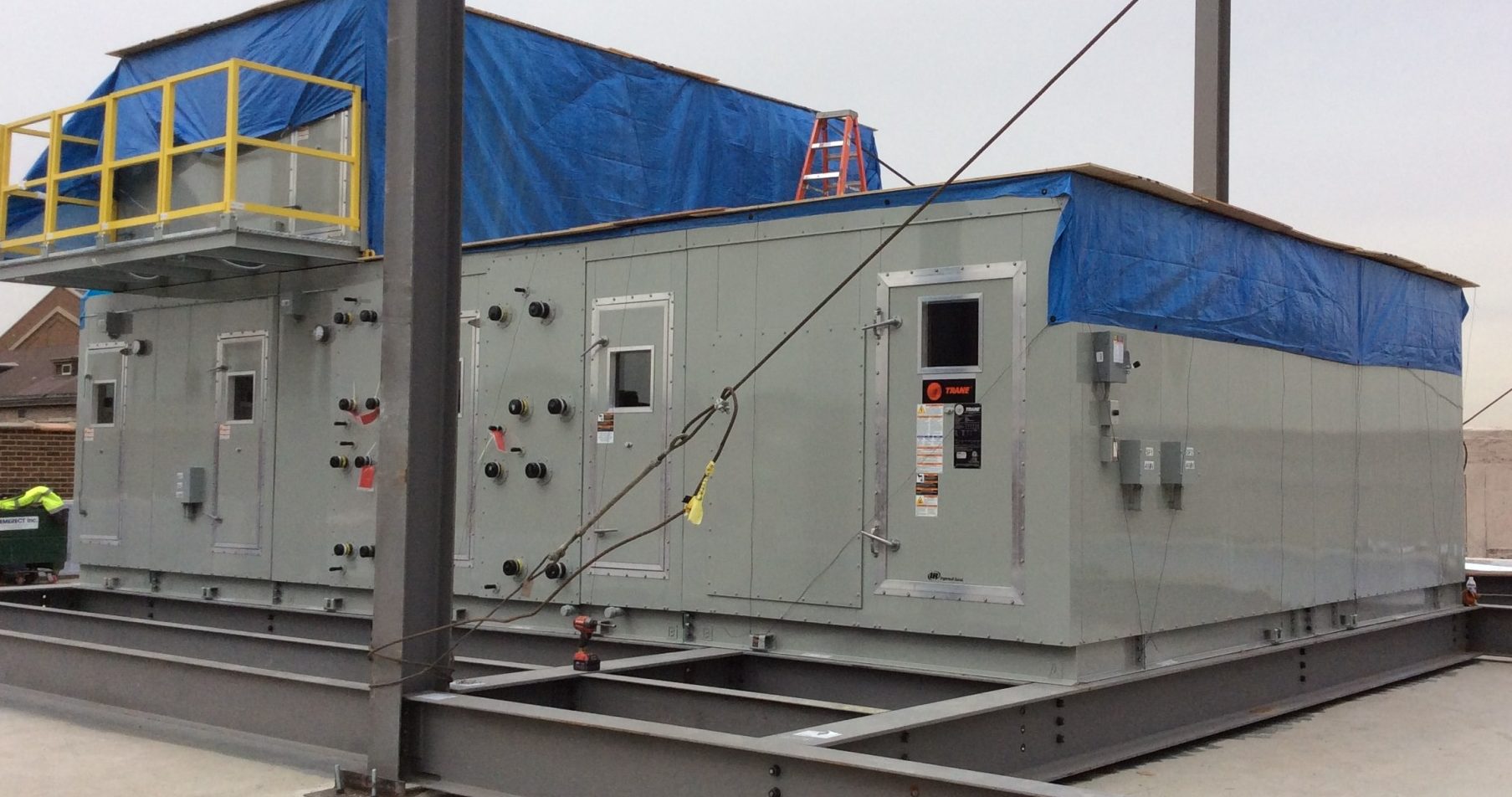 The summer of 2016 saw one Egan Company crew, consisting of all mechanical trades, working closely with M.A. Mortenson to perform complete renovations within two University of Minnesota buildings.
 Updating Aging Infrastucture
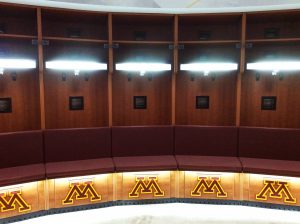
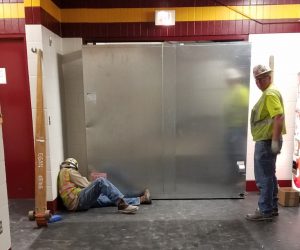 Meanwhile, at Mariucci, the locker rooms were getting a much needed amenity upgrade. As you can imagine, a locker room has the potential to be a smelly and damp place. To alleviate some of this, the dehumidification units exhaust more air than usual into the room. It also offers a unique feature for the Gophers’ players: each locker has an exhaust fan that helps dry out equipment kept in the lockers.